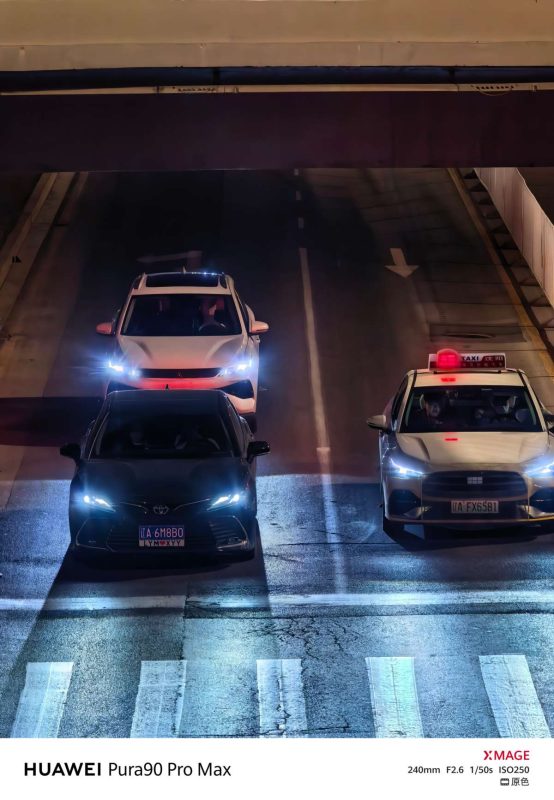
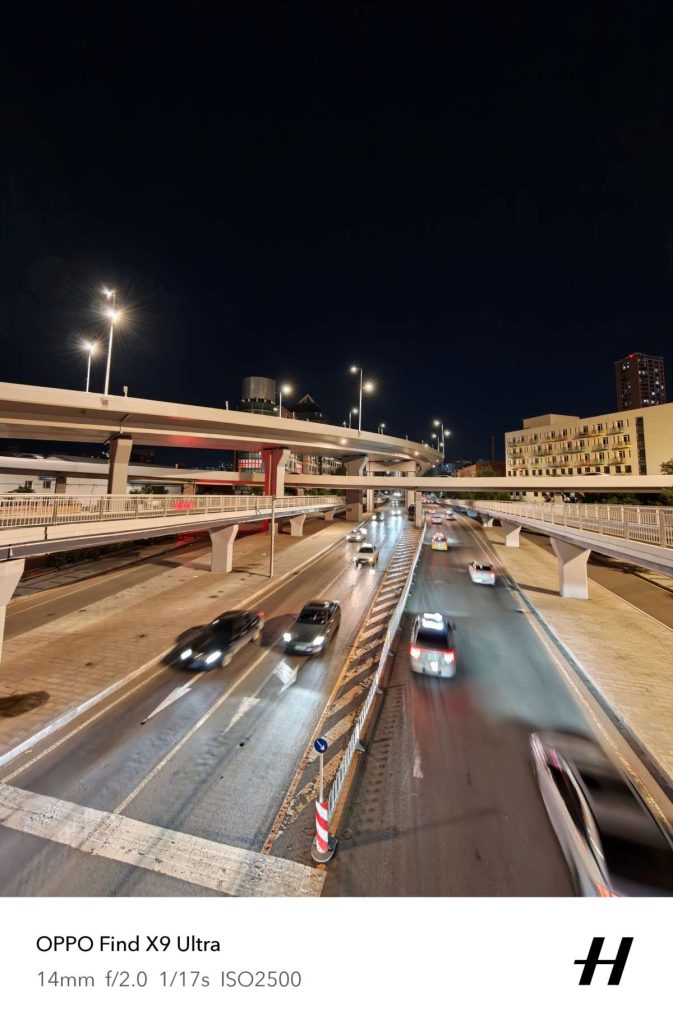
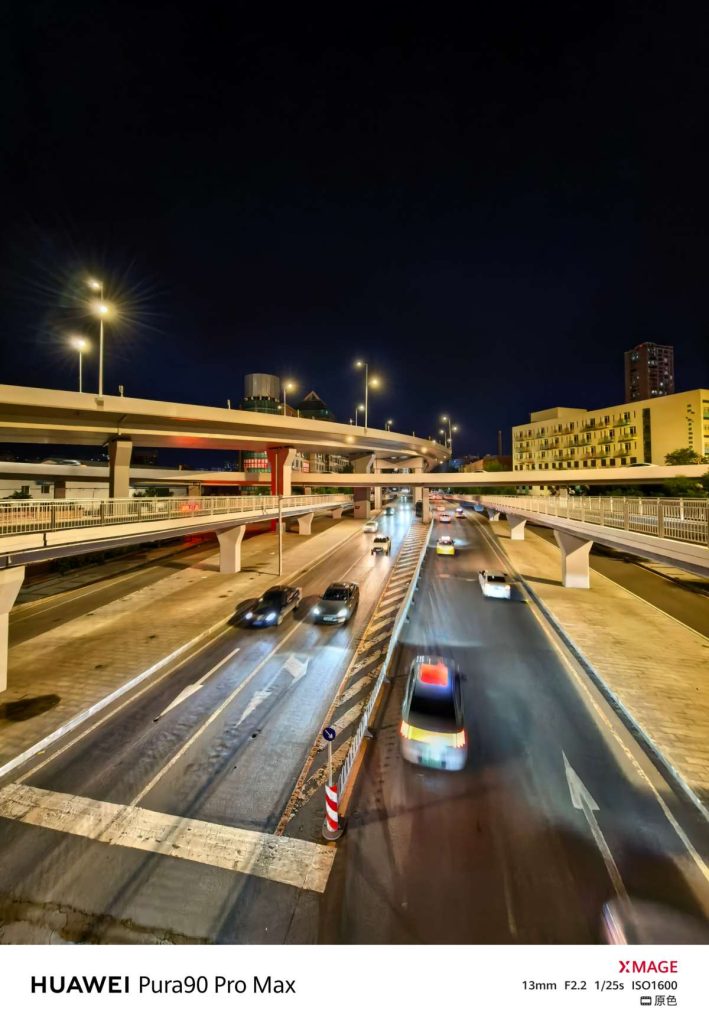
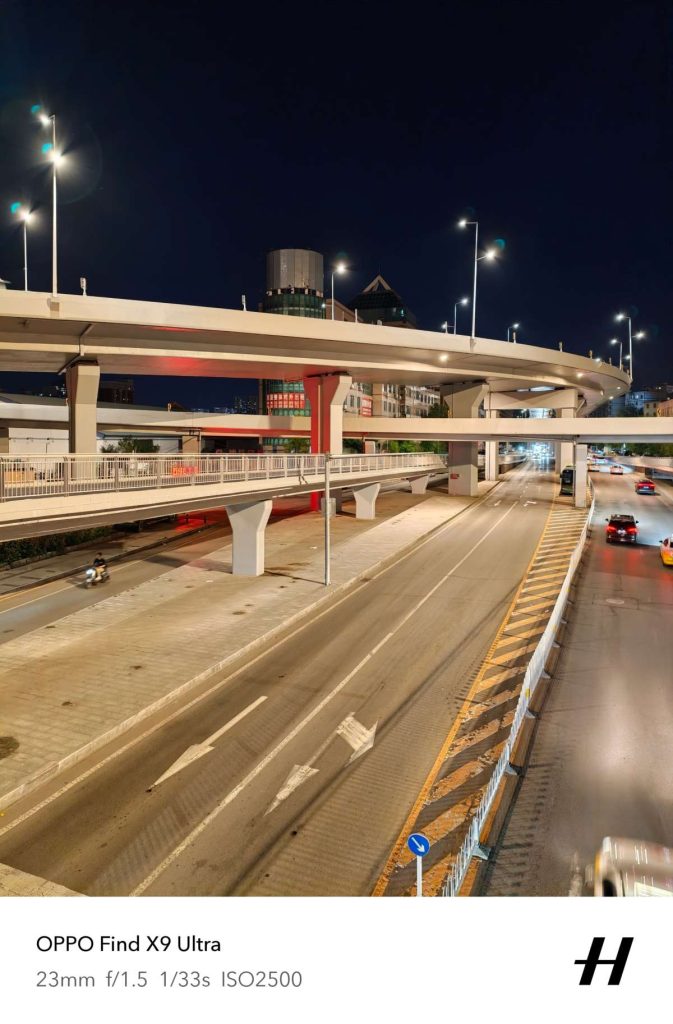
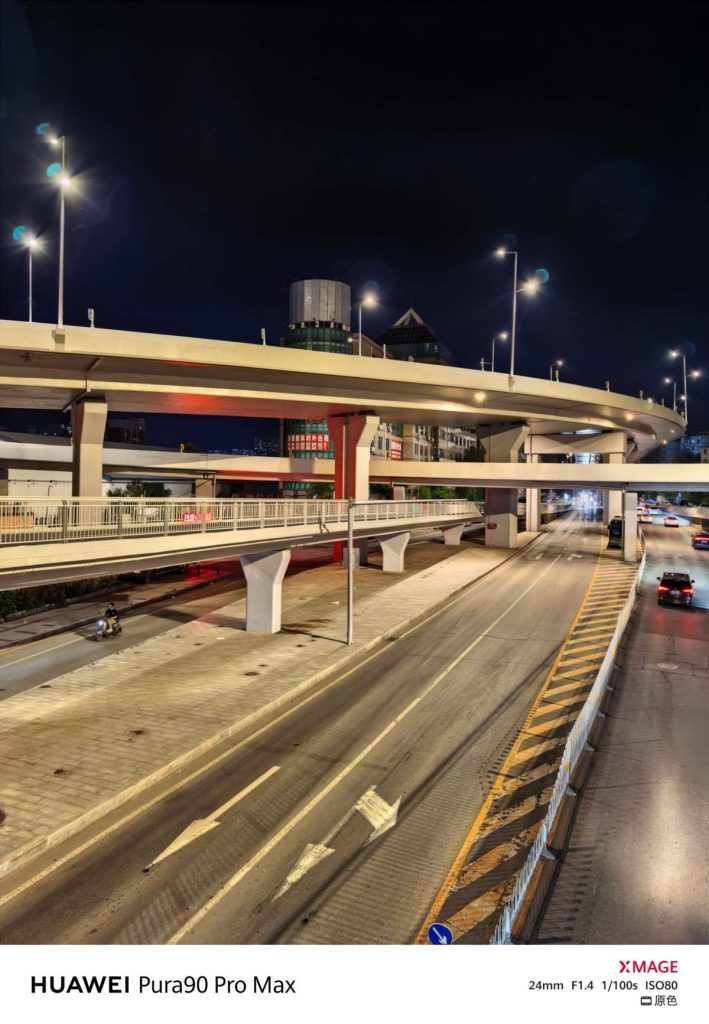
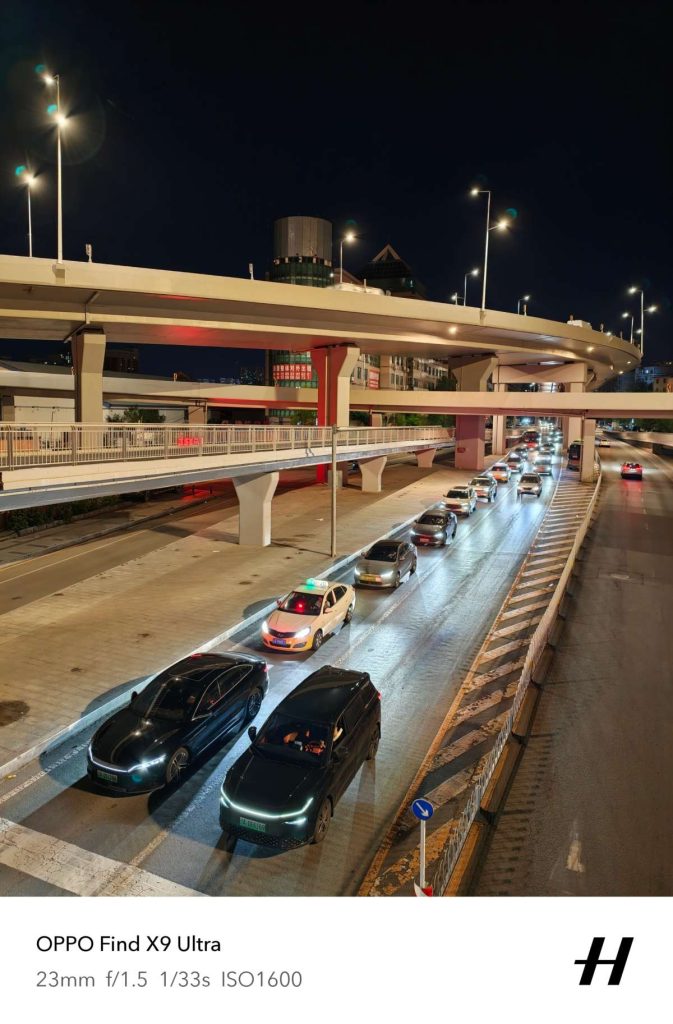
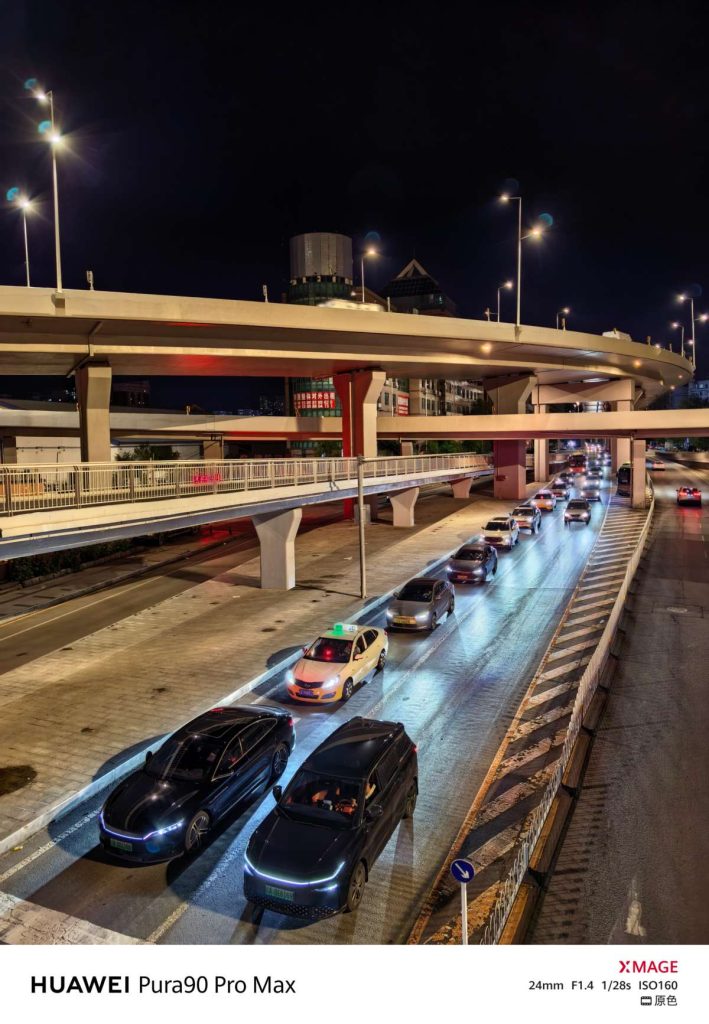
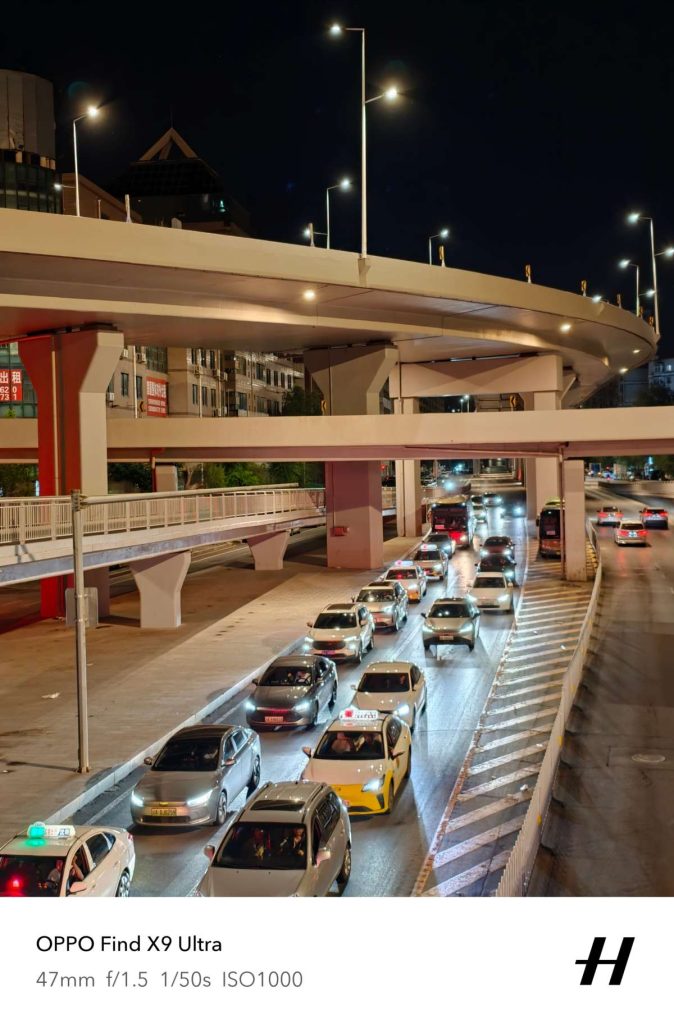
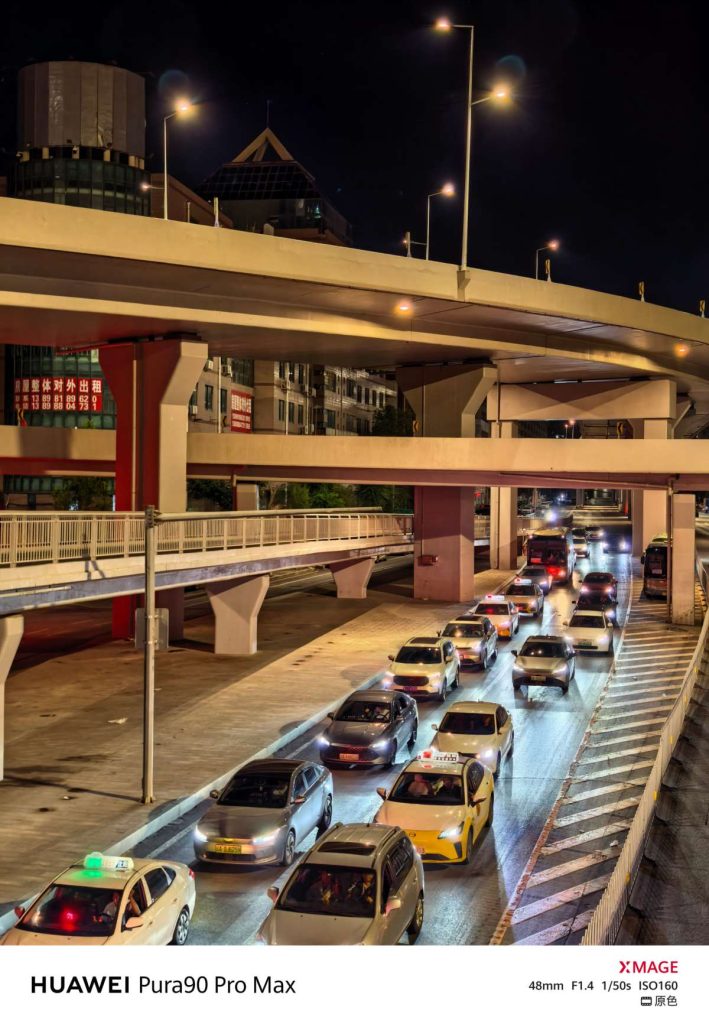
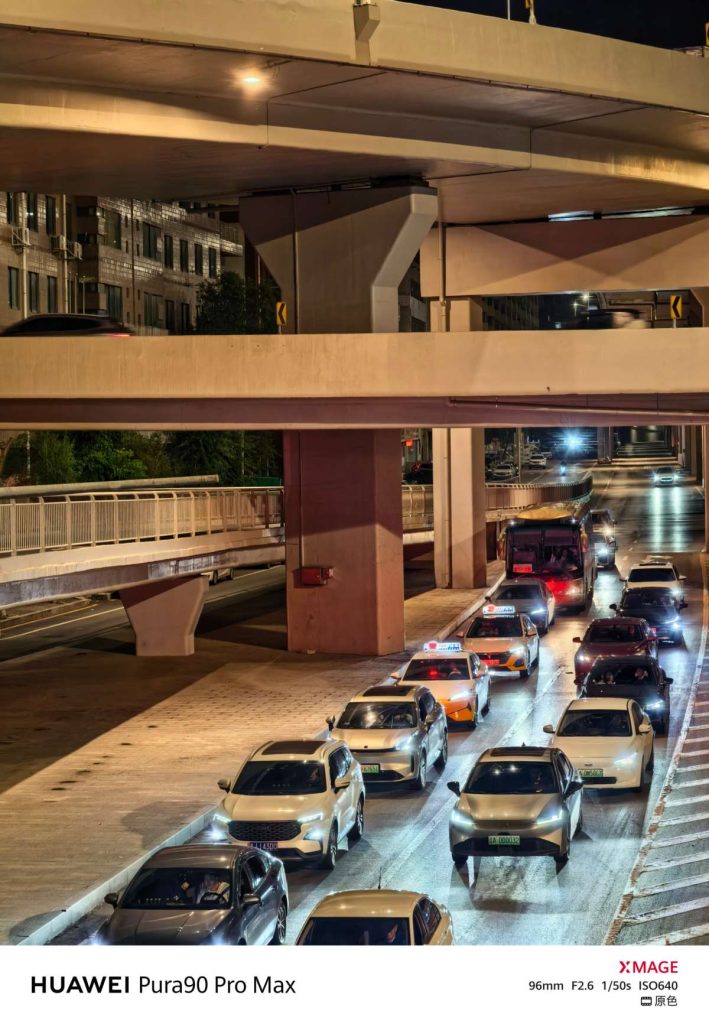
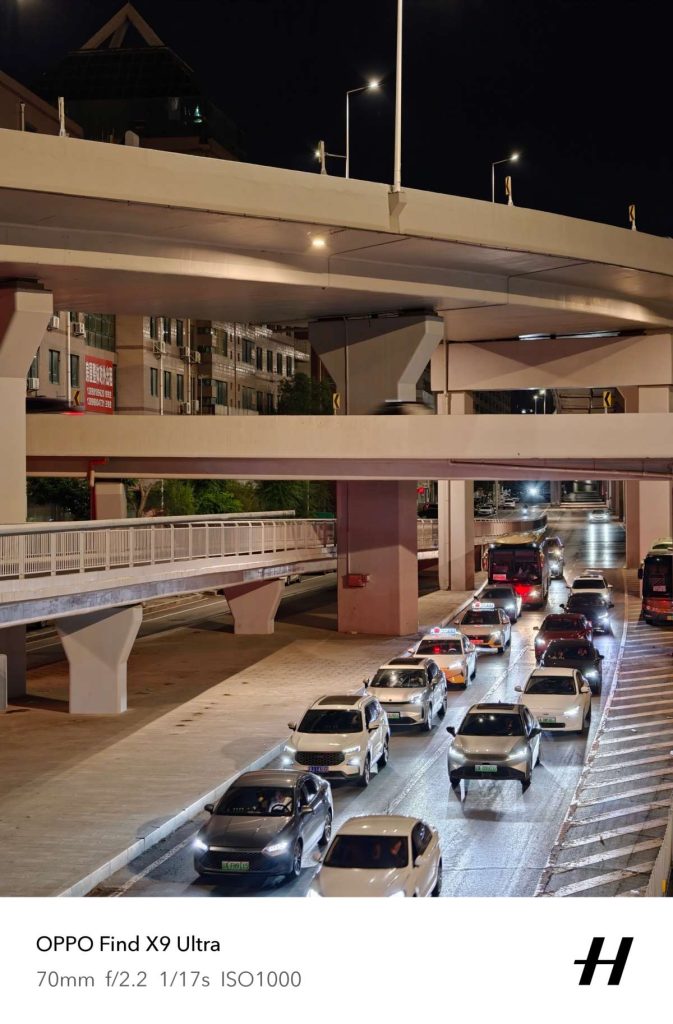
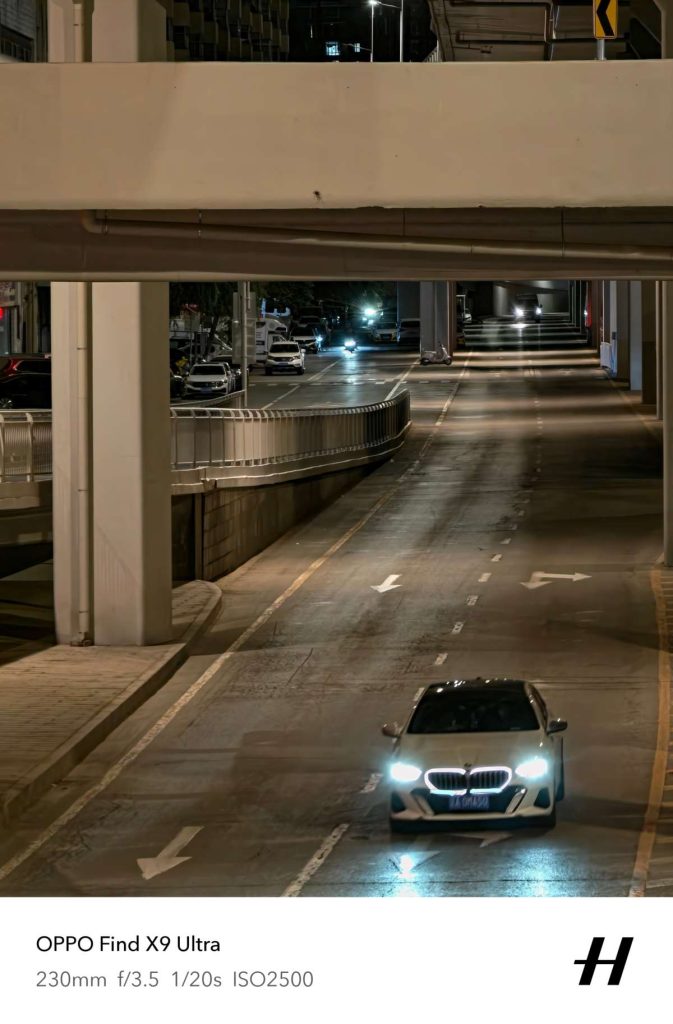
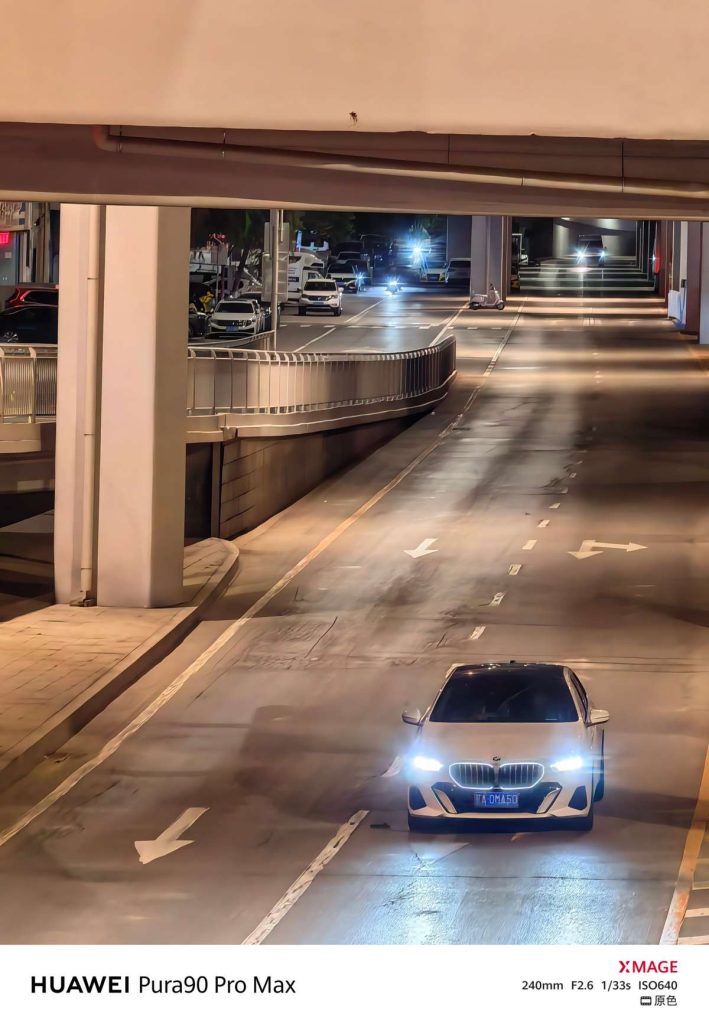
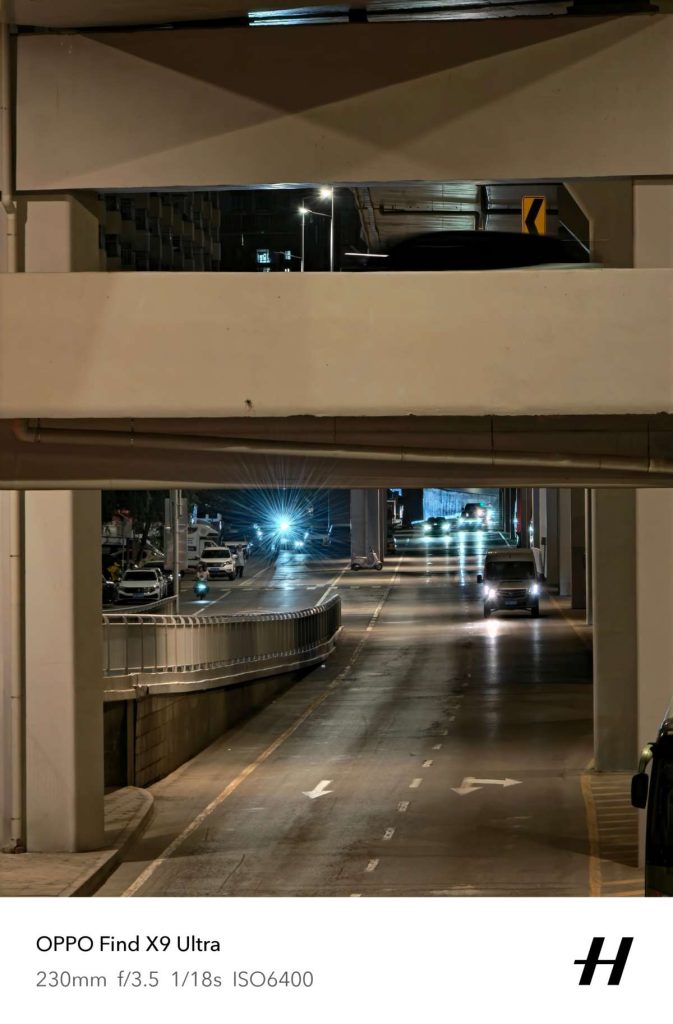
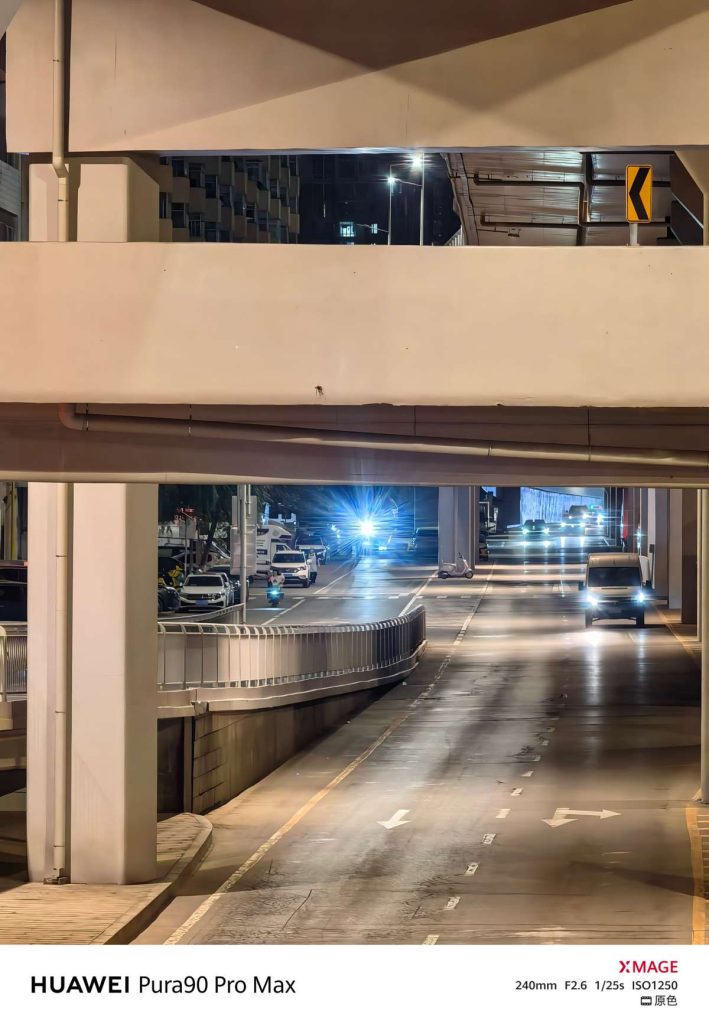
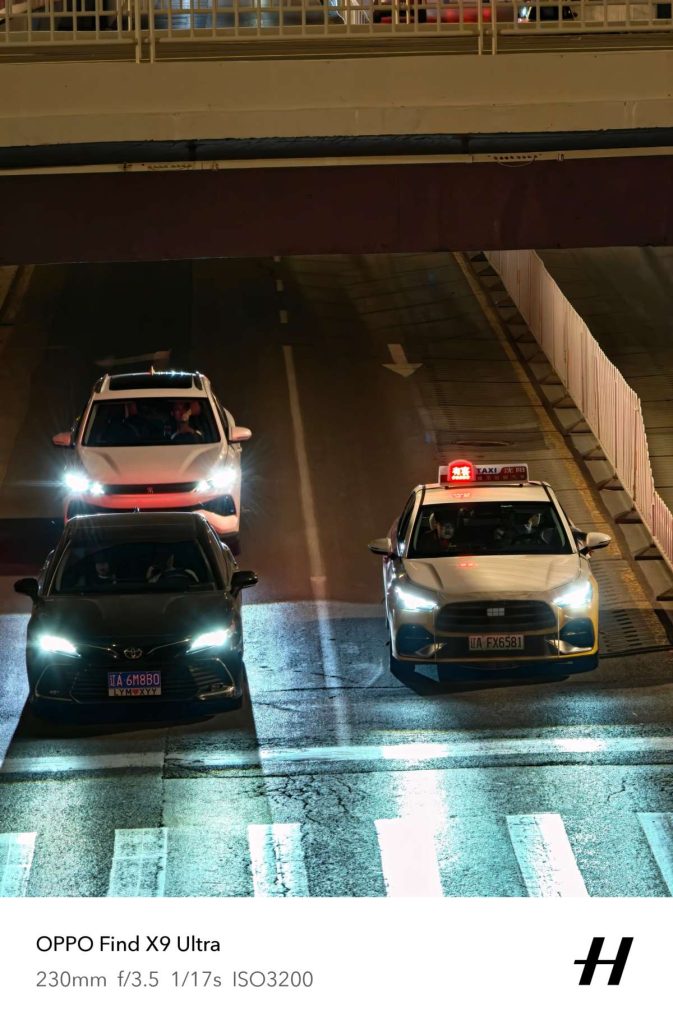
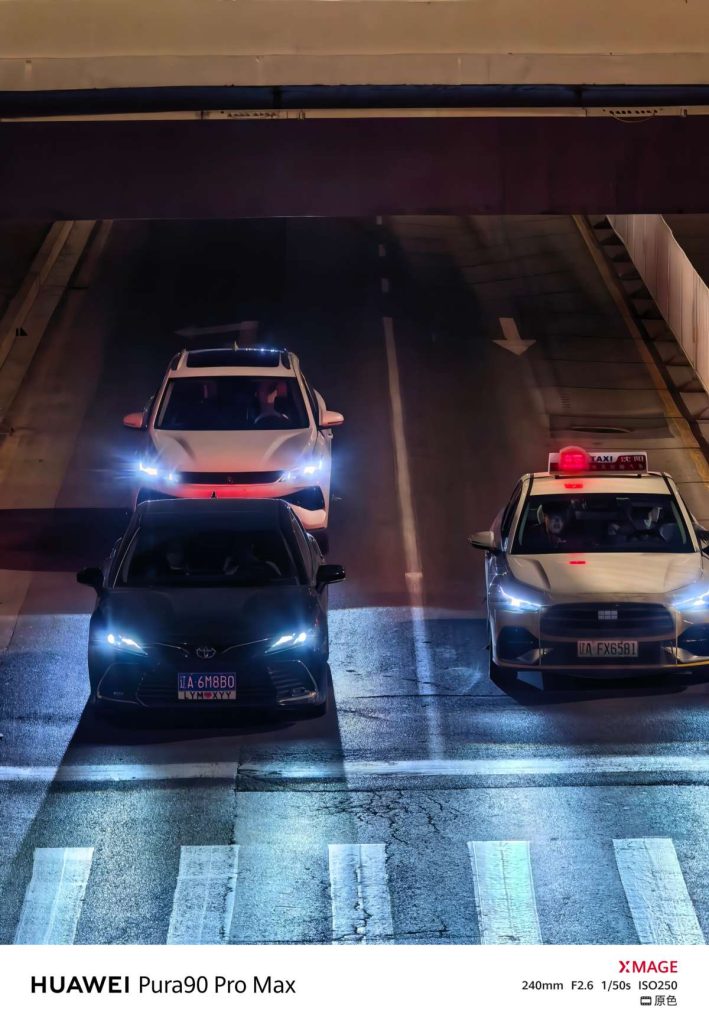
Night city traffic photography has always been a brutal test for smartphone camera systems. Chaotic light sources, glaring street lamps, moving car light trails, uneven shadows and fluctuating brightness push every sensor and image algorithm to its limit. To fairly compare the imaging strengths of two top-tier flagships, the OPPO Find X9 Ultra and Huawei Pura 90 Pro Max, I captured a full set of city night traffic samples under identical shooting rules: all photos are pure straight-out shots with factory default camera parameters, no manual focus locking, no exposure tweaks, zero post-editing, filters or retouching. This fully restores the real-world shooting experience ordinary users get without professional camera skills. All sample shots and complete test footage come from my newly released original long-form video review. Viewers who want to watch full shooting workflows, more scene comparisons and in-depth performance breakdowns can head to my channel homepage. I always emphasize that my most detailed, valuable content lives in full-length videos; static image galleries offer only fragmented snapshots, while complete footage records every subtle difference in real-time shooting.
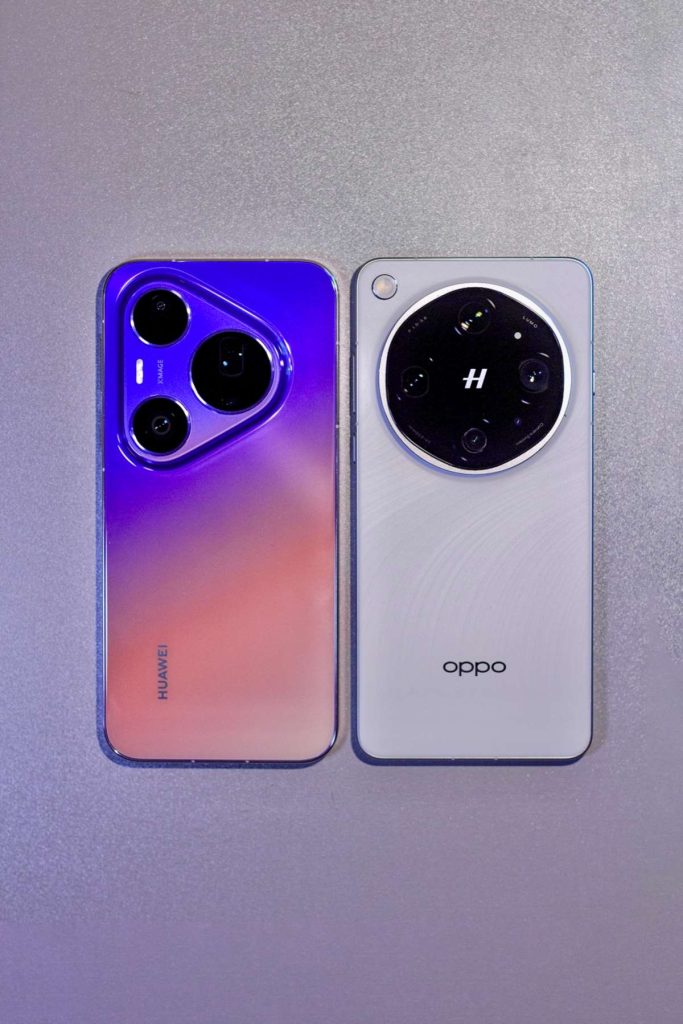
Visually, both devices deliver impressive night traffic results despite the tough lighting environment, yet their core tonal styles diverge sharply. The Huawei Pura 90 Pro Max leans toward realistic, human-eye-aligned color reproduction powered by its XMAGE RYYB telephoto sensor. It preserves natural saturation for street signs, vehicle taillights and building neon, avoiding over-saturated fake vividness. Its strength lies in consistent color performance across all focal lengths, so wide-angle, main and telephoto shots match seamlessly when editing a night photo series. However, it struggles slightly with high-glare control: bright street lamp halos occasionally bleed into dark sky areas, and minor digital noise creeps into deep shadow zones under road overpasses.
In contrast, the OPPO Find X9 Ultra with Hasselblad co-engineered imaging prioritizes picture cleanliness and balanced dynamic range. Its dual large 200MP camera setup suppresses light flare far better in crowded traffic intersections, clearing messy halo artifacts around headlights and billboards. Shadow detail retention is another obvious advantage: pavement textures, pedestrian silhouettes and faint roadside greenery stay visible without crushing into pure black. The color palette carries soft, cinematic warmth; neon signage gains gentle saturation without artificial over-brightening, creating more immersive night street atmosphere favored by content creators. Though its color tone drifts slightly warmer than real vision, the overall image clarity and noise control outperform the Pura 90 Pro Max in heavy low-light traffic scenes.
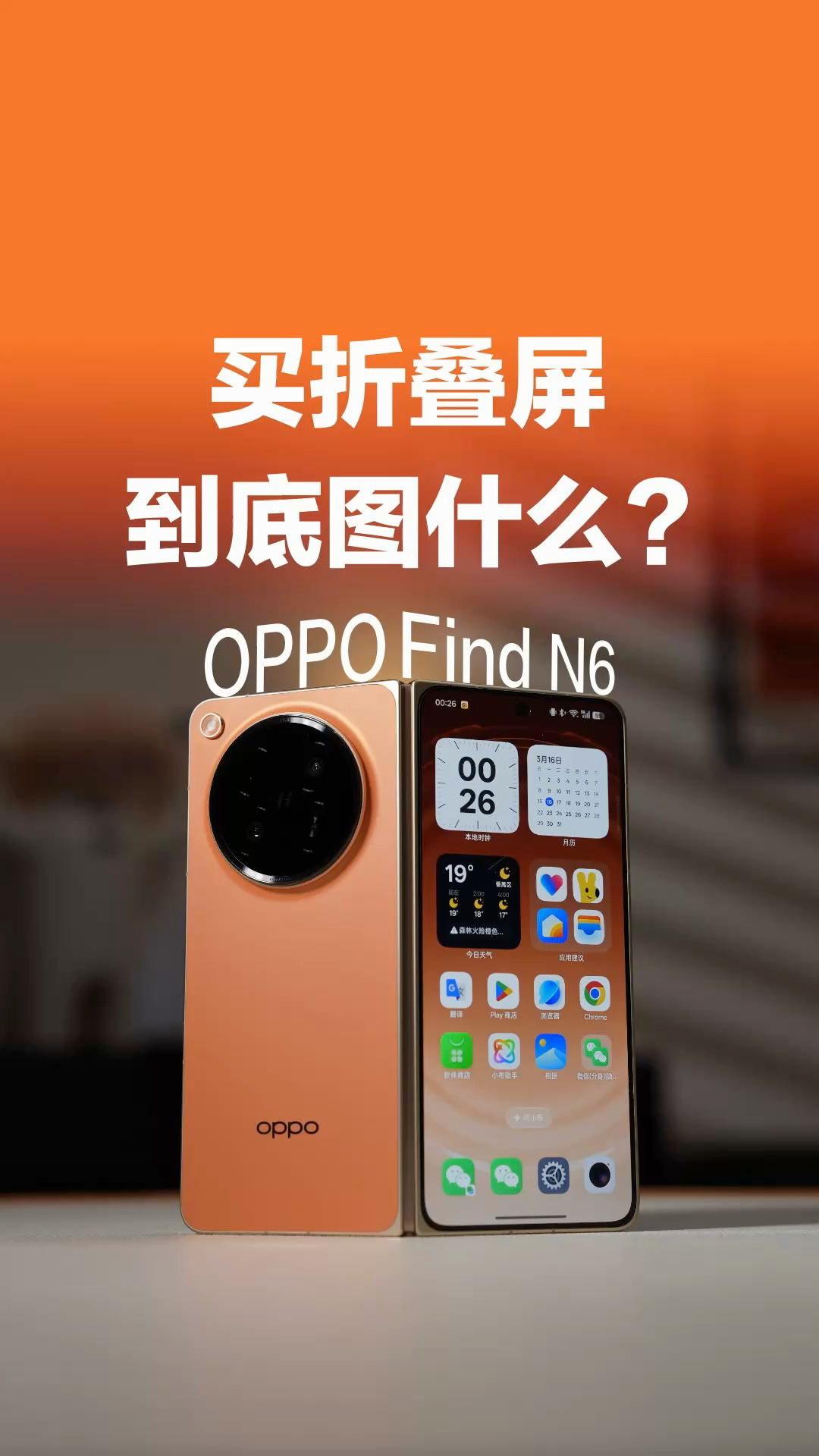
Beyond static night photography, the gap between the two flagships widens dramatically in video recording, a core daily creation demand for most users. From hardware specifications to actual footage quality, the Huawei Pura 90 Pro Max cannot match the Find X9 Ultra’s comprehensive video capabilities. The OPPO flagship supports native 8K 30fps recording, 4K 120fps high frame rate slow motion, O-Log2 log profile and built-in 3D LUT real-time color grading, plus full-range optical zoom video covering 0.6x ultra-wide to 10x true optical telephoto without digital cropping degradationOPPO. Its multi-axis optical stabilization delivers silky smooth footage even when walking through busy night roads, and auto exposure adjusts gently amid sudden headlight flashes to prevent harsh brightness jumps.
The Huawei Pura 90 Pro Max caps out at 4K 60fps maximum resolution, lacking native log format and real-time professional color grading tools. Its 20x telephoto video relies on digital oversampling instead of pure optical hardware, leading to subtle softness and slight motion smearing when tracking moving vehicles at night. While its CIPA 7.0 AIS stabilization performs decently, exposure fluctuations are more noticeable when switching between bright car lights and dark roadside areas, limiting its reliability for continuous night vlogging. At present, OPPO’s video toolkit remains the more mature, creator-friendly solution among mainstream Android flagships.
Moving past imaging to daily all-round experience, the two devices share similar hand-feel and body weight, with slim curved frames that deliver comfortable single-hand operation. The biggest daily usability gap falls on battery endurance: the OPPO Find X9 Ultra’s 7050mAh silicon-carbon large battery delivers noticeably longer real-world runtime than the Pura 90 Pro MaxNoteb…. During my multi-day all-scenario testing including night photography, video recording, navigation and social media scrolling, the Find X9 Ultra consistently maintained 2–3 hours extra screen-on time under identical usage loads.
Many followers recently left comments asking whether these flagships overheat during heavy camera tasks. I want to clarify my consistent testing environment: I live in Shenyang, Liaoning Province. At the time of shooting this comparison, indoor air conditioning has never been turned on in my home, and I never ran sustained high-load tasks such as long-duration 4K video recording or intensive mobile gaming back-to-back. Even my daily hot beverage intake stays consistent with warm coffee, meaning the ambient temperature stays mild and stable. Under these conditions, neither phone produced noticeable heat during extended night shooting sessions. Even in the current summer month, moderate imaging workloads do not trigger obvious thermal throttling for either model.
To wrap up this head-to-head night traffic test: both flagships satisfy casual users’ daily night photography demands with straight-out-of-camera quality, separated mainly by tonal preference rather than basic shooting capability. If you prioritize professional video creation, ultra-clean low-light night shots and longer battery life, the OPPO Find X9 Ultra stands as the stronger all-round pick. If you prefer lifelike, consistent natural color reproduction for static night snapshots and multi-focal photo series, the Huawei Pura 90 Pro Max fits your aesthetic better. For full visual proof of every difference I covered, be sure to watch my complete original long video on my homepage. Static written and image comparisons only scratch the surface of these two flagship cameras’ real-world performance.