July 4 Report: In recent years, Apple has launched iPhone manufacturing operations in India to mitigate risks stemming from an over-concentrated single supply chain. It has poured heavy investment to back local supplier Tata Electronics for this purpose. Nevertheless, the cybersecurity and confidentiality systems at India’s manufacturing facilities have suffered a complete breakdown, triggering the worst new-device data leak in Apple’s history.
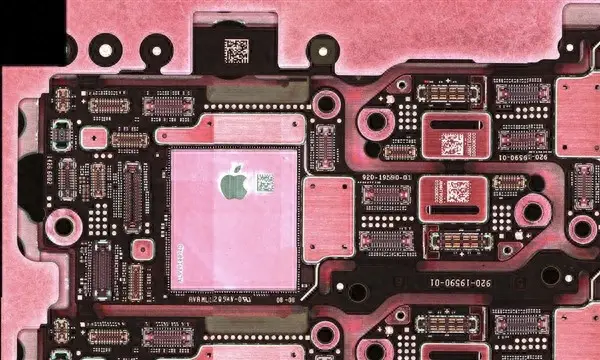
At the end of June, Tata Electronics fell victim to a ransomware group’s cyberattack. More than 200,000 confidential files totaling over 630 gigabytes were dumped on the dark web. The leaked materials contain troves of sensitive data on the unreleased iPhone 18 Pro and iPhone 18 Pro Max. At least six core documents lay out full breakdowns of hundreds of components for the lineup alongside their respective supplier rosters, covering critical parts such as main board chips, batteries and camera modules.
In addition, the exposed files feature mainboard schematics stamped with Apple’s official “Confidential” watermark and datasheets for the A20 Pro chip. Even drop-test footage of the upcoming handsets was leaked to the public ahead of their official reveal. The sensitive material spread rapidly across social media platforms, sending shockwaves through the tech industry.

Several tech commentators pointed out that Apple has maintained manufacturing operations in China for years without suffering a comparable data breach. By contrast, the Indian plant’s security lapse laid internal proprietary information wide open, revealing exhaustive details of the unannounced iPhones to outsiders. The scale of the leak sparked online jokes that the supply chain data now available is comprehensive enough for enthusiasts to build a homemade iPhone 18 from scratch.

Apple rolled out its supply chain diversification strategy with the goal of spreading operational risks, yet the move inadvertently turned India into its greatest current source of risk.